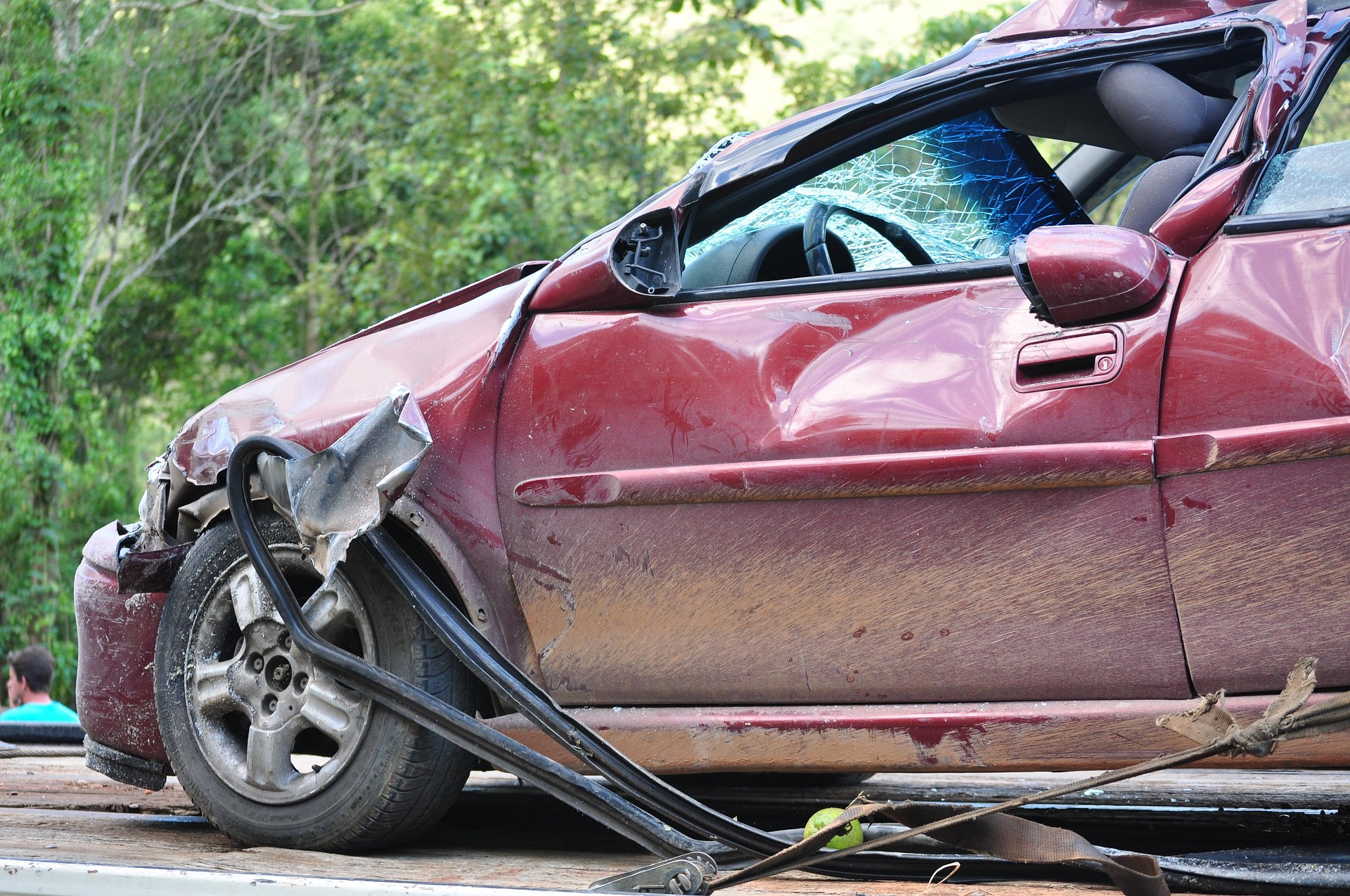

Car insurance is a legal necessity and financial safeguard for millions of American drivers. It protects you, your vehicle, other road users, and your wallet from the unpredictable costs of accidents, theft, or damage.
In a country where driving is woven into daily life, understanding how auto insurance works can mean the difference between financial stress and peace of mind. This guide breaks down everything USA drivers need to know in 2026, from basic requirements to smart strategies for saving money.

What Is Car Insurance and Why Is It Essential?
Car insurance is a contract between you and an insurer. You pay a premium, and in return the company covers certain costs if something goes wrong on the road. Without it, a single fender-bender could lead to lawsuits, medical bills, or repair expenses that wipe out savings.
Most states require proof of insurance to register a vehicle or renew your license, and driving without it can result in fines, license suspension, or even jail time in extreme cases. Beyond the law, insurance gives you the confidence to drive knowing you’re protected against liability claims or the high cost of replacing your car after a storm or theft.
State Minimum Insurance Requirements: What Every Driver Must Carry
Every state except New Hampshire mandates some form of car insurance, though the exact minimums vary dramatically. Nearly all require liability coverage—split into bodily injury (covering injuries you cause to others) and property damage (covering harm to other vehicles or objects).
Typical minimums look like 25/50/25 ($25,000 per person injured, $50,000 total per accident for injuries, and $25,000 for property damage), but states like California recently raised theirs to 30/60/15 effective 2025, while North Carolina moved to 50/100/50 in mid-2025.
A handful of no-fault states (such as Florida and New Jersey) also require personal injury protection (PIP) to cover your own medical bills regardless of who caused the crash. Always check your state’s Department of Motor Vehicles website or consult an agent—meeting the bare minimum keeps you legal but often leaves you underprotected if you have assets worth protecting.
Breaking Down the Types of Car Insurance Coverage
Auto policies are built from several core pieces of coverage that you can mix and match. Liability insurance forms the foundation and pays for damage or injuries you cause to others. Uninsured or underinsured motorist coverage steps in when the at-fault driver has little or no insurance—a vital add-on since roughly one in eight drivers on the road is uninsured.
Collision coverage repairs your own car after you hit another vehicle or object, while comprehensive handles non-collision events like hail, theft, vandalism, or hitting a deer.
Personal injury protection (PIP) or medical payments coverage pays your medical bills and lost wages, and optional add-ons such as roadside assistance, rental car reimbursement, or gap insurance (which covers the difference between a car’s value and what you owe on a loan) round out the options. Choosing the right mix depends on your vehicle’s value, your finances, and how much risk you’re comfortable carrying yourself.
Factors That Influence Your Car Insurance Premiums
Your rate is never one-size-fits-all; insurers use complex formulas based on risk. Driving record is the biggest factor—speeding tickets, at-fault accidents, or DUIs can double or triple premiums for years. Age, gender, marital status, and credit score (in most states) also play roles, as do your vehicle’s make, model, safety features, and annual mileage.
Location matters enormously: urban ZIP codes with heavy traffic or high theft rates cost more than rural ones. Even your occupation or credit history can affect rates. In 2026, insurers increasingly use telematics data from phone apps or car sensors to reward safe drivers with usage-based discounts, while rising repair costs for advanced driver-assistance systems and electric vehicles push premiums higher for newer models.
Average Costs of Car Insurance in 2026
Nationwide, the average full-coverage policy runs about $2,500 to $2,700 per year, or roughly $225 per month, while minimum-liability coverage averages around $820 annually. These figures have stabilized after sharp increases in prior years, but they still vary wildly by state and driver profile. For example, drivers in Vermont or Maine often pay far less than those in Michigan or Florida.
Electric vehicles and luxury cars routinely carry higher premiums due to expensive parts and specialized repairs. Shopping around remains the single most powerful way to beat these averages—quotes for identical coverage can differ by hundreds of dollars between companies.
How to Shop for and Choose the Right Policy
Start by deciding how much coverage you actually need beyond state minimums, then get quotes from at least three to five insurers using the same coverage levels and deductibles for fair comparison. Major players like GEICO, Progressive, State Farm, USAA (for military families), and Amica consistently rank among the top-rated for price, service, and claims satisfaction in 2026.
Use online comparison tools, independent agents, or direct insurers—each has strengths. Read the fine print on deductibles, exclusions, and discount eligibility. Consider bundling auto with home or renters insurance for instant savings, and factor in customer service ratings and app features if you value quick claims handling. Once you choose, review your policy every six to 12 months because life changes (new job, move, or car payoff) can open new discount opportunities.
The Claims Process: What Happens After an Accident
Filing a claim doesn’t have to be stressful if you know the steps. First, ensure everyone is safe and call police if required by law or if injuries occurred. Exchange information with other drivers and take photos of the scene, damage, and license plates.
Contact your insurer as soon as possible—many allow claims filing via app or website 24/7. An adjuster will investigate, inspect the vehicle, and determine fault and payout. You’ll choose between repairs at an approved shop or a cash settlement. Keep all receipts and stay in communication; most legitimate claims are resolved within weeks.
Document everything and understand your deductible upfront so you’re not surprised by out-of-pocket costs.
Proven Ways to Lower Your Car Insurance Costs
Smart drivers save hundreds or even thousands annually without sacrificing protection. Raise your deductible if you have an emergency fund—moving from $500 to $1,000 can cut premiums 10–20%. Drop collision and comprehensive on older vehicles worth less than the deductible.
Bundle policies, pay in full instead of monthly installments, and enroll in telematics or usage-based programs that track safe driving.
Maintain a clean record, take an approved defensive driving course every few years, and ask about discounts for good students, low mileage, safety features, or loyalty. Simply switching insurers after comparing quotes is one of the easiest ways to drop costs—many drivers save 15–25% by shopping around in 2026.
Emerging Trends in Car Insurance for 2026 and Beyond
The industry is evolving rapidly. Electric and autonomous vehicles are pushing premiums higher due to costly battery repairs and complex software, yet usage-based insurance via telematics is exploding in popularity and rewarding safe habits with real-time discounts.
Artificial intelligence now speeds up claims processing and fraud detection, while many insurers offer parametric policies that pay out instantly for weather-related damage.
Rate increases have moderated after years of inflation-driven spikes, but supply-chain issues and potential tariffs on imported parts could nudge prices upward again. Expect more personalized pricing and digital-first experiences as companies compete for tech-savvy drivers.
Common Myths and Misconceptions About Car Insurance
Many drivers believe minimum coverage is enough protection—it rarely is if you have a home, savings, or family to protect. Others think insurance always covers everything; in reality, flood damage, wear-and-tear, and racing are typically excluded.
Credit score doesn’t matter everywhere, but in most states it significantly affects rates. And no, you don’t have to stay with the same company forever—loyalty rarely beats a better quote. Understanding these realities helps you make informed decisions instead of overpaying or underinsuring.
Protecting Yourself on the Road in 2026
Car insurance is more than paperwork—it’s your financial safety net in an uncertain world. By understanding requirements, choosing appropriate coverage, shopping strategically, and staying informed about trends, you can drive confidently while keeping costs under control.
Review your policy at least once a year, maintain safe habits, and never hesitate to ask questions. With the right plan in place, you’ll be ready for whatever the road brings next. Safe travels!
Final Thought
Here’s a concise, powerful final thought you can use to wrap up or reflect on the topic of car insurance in the USA:
Final Thought
In the end, car insurance isn’t really about the policy you buy — it’s about the peace you protect.
Every premium dollar is a small, deliberate vote for financial stability when life inevitably throws a curveball on the highway.
The smartest drivers don’t chase the absolute cheapest quote; they chase the best balance — strong enough coverage to shield their future, priced smartly enough to not strangle their present. Shop aggressively every 12 months, understand what you’re actually paying for (not just what the state forces), and treat insurance like any other major recurring expense: something that should work for you, never against you.
Drive defensively, maintain a clean record, and never let loyalty blind you to a better deal. Because on American roads in 2026 — crowded, expensive to repair, and full of uninsured drivers — the real luxury isn’t a fancy car.